Holistic, Integrative & Functional medicine house calls for Tampa Bay pets.
Email DrTruli@VetVMD.com or Text (813) 714-7863
Dr. Sandra Truli Springer, VMD, MS-TCVM, CVA, CVFT, CVTP, CVCH, CTCVMP, CTPEP, CVMMP
Veterinary Medical Doctor, University of Pennsylvania Ivy-League.
Master of Science- Traditional Chinese Veterinary Medicine.
Acupuncturist, Food Therapist,Tui-na (medical massage), Herbalist, Veterinary Medical Manipulation Practitioner.
Fellow of the American Academy of Veterinary Acupuncturists.
Human Animal Bond Certified.
Founding Member of the Nutrition Innovation Council.
One Kennel Cough Diagnosis – Three Homeopathic Remedies for Three Different Dogs
(Please note- Dr Truli will not share which actual homeopathic remedies as there are many, many remedies for kennel cough-type symptoms and the whole point is to consult a homeopath so that you facilitate a cure and not suppress the Vital Force by giving a poorly matching remedy. This article is to introduce you very briefly to how different and personal your homeopathic care will be)
Willy and His Impressive Nasal Discharge
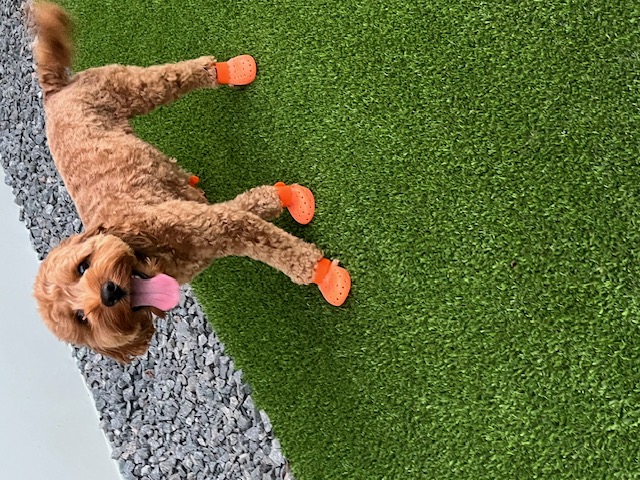
Mini Golden Doodle rockin’ dog shoes
Willy is a beloved 16 week old miniature Golden Doodle puppy. His family started holistic care with Dr Truli when he was 8 weeks old and he thrived. Four days after a trip to puppy day care, he started hacking and coughing. Willy’s family called Dr Truli and inquired about whether or not to worry about a puppy cold. Since a new variant of canine upper respiratory disease combining Parainfluenza and Canine Flu had recently been found circulating in Tampa Florida dog population, Dr Truli was concerned about the cold becoming bronchitis or pneumonia more quickly than usual. She advised the family to go right to the pet Urgent Care on a Friday night and antibiotics were prescribed there. The chest x-rays and blood work and physical exam were pretty good.
Willy felt fine. He ate, played, grew and did all his goofy puppy things perfectly, But he had this yellow-green goo nasal discharge that persisted for 2 weeks after the Urgent Care visit and the antibiotics. The discharge would soak the family’s bedsheets every morning and snot goo was stuck at dog nose level all around their brand-new home!
The family contacted Dr Truli and we set up a homeopathic acute care visit. After careful discussion and clarification, Dr Truli prescribed a homeopathic remedy. Willy took the remedy before bed. He slept well. In the morning, he woke up, sneezed some clear discharge and then had no more signs of respiratory disease.
Ronald and his Hacking Cough and Retching Barks WAAAAY Too Much
Ronald is a 2-year old salt and pepper Miniature Schnauzer. He has a chronic, long term habit of barking at visitors and workmen in his home. He can bark for 3 hours non-stop at top volume. Then he runs toward the visitor in a menacing way and sometimes nips at their ankles. Clearly, this behavior is under treatment with a dog trainer, behavior specialist, and herbal medicines to help. Ronald started a dry honking, hacking cough after visiting a dog park.
Dr Truli treated Ronald as an acute on chronic homeopathic patient. The little guy was coughing so much that he would then progress to retching on an empty stomach. He felt miserable. Dr Truli prescribed his homeopathic remedy and then proceeded to monitor the results. Ronald’s family opted for a 3-day unlimited communication package price from Dr Truli so they did not have to worry about per-minute homeopathic follow-up care., We discussed and emailed about 5 times a day. The first day, Ronald slept a lot as his Vital Force was healing:
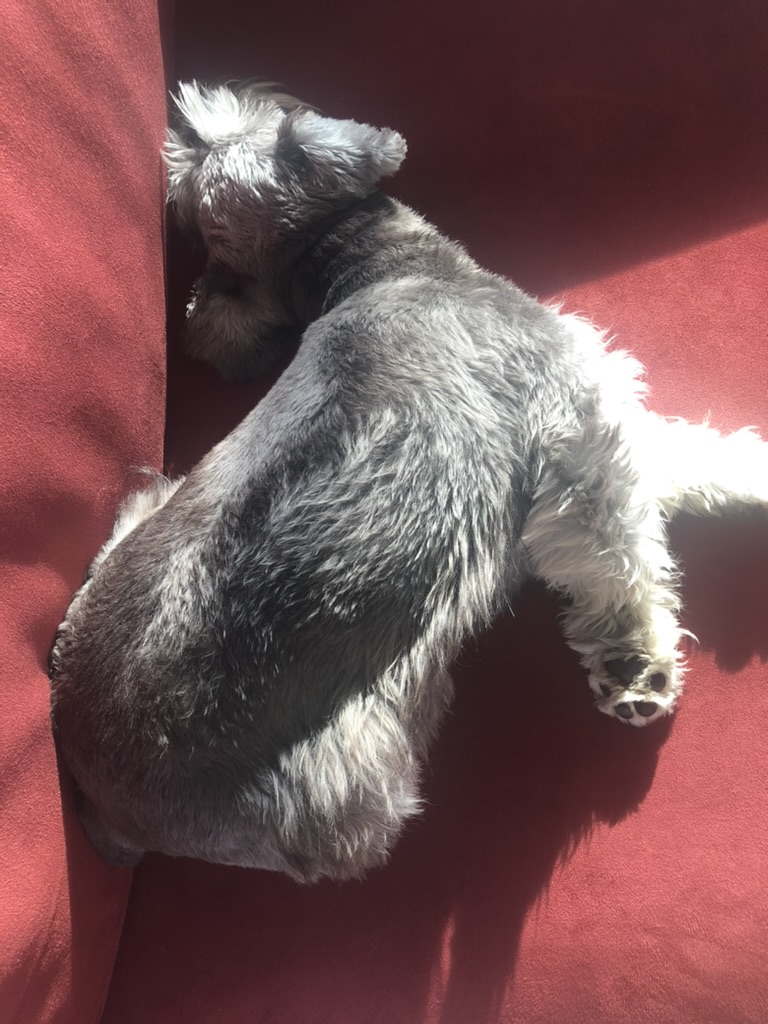
Passed out Mini Schanuzer
Over the next 3 days, Ronald barked at strangers for less time (about 75% less length of time), payed attention to instructions to sit and not lunge at dogs on his walks (they were friendly lunges, but still), and he stopped his hacking cough. After 2 days, the cough started to return, Dr Truli advised another dose of the remedy and that dose helped Ronald accomplish a speedy sure of the upper respiratory problem.
Sneezing Princess
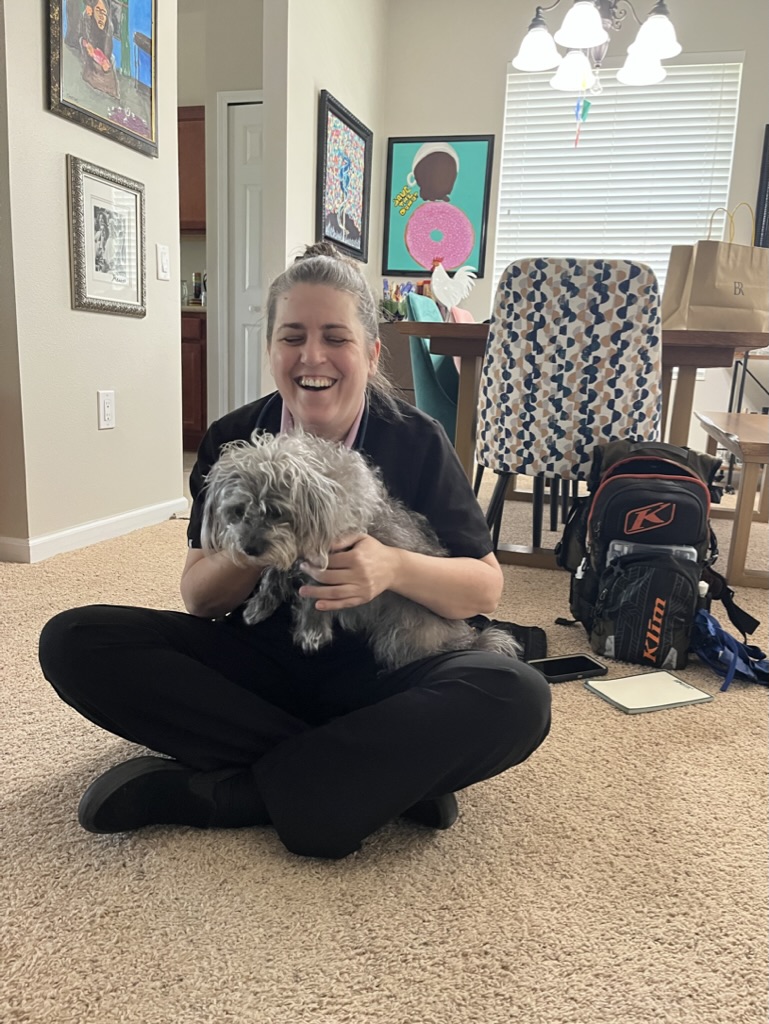
Dr Truli gives a physical exam to Malti-Poo perfection
Princess is a 5 year old miniature poodle-maltese who came down with a cold after playing with a neighbor’s puppy who had no symptoms of illness. (This is called an asymptomatic carrier.) The sneezing had no discharge and came in violent fits that would trigger collapsing trachea. It also seems worse when she rode in the car and she liked to put her nose right up to the AC vent. Dr Truli prescribed a completely different remedy for this upper respiratory than the previous dogs and Princess slept for a night and then felt good for a few days.
Then she stated sneezing again “like in the beginning.” After another dose of remedy, she also had some vomiting like she used to do when she was a puppy and had slightly watery eyes. We did not redose the remedy as her body worked through some of the deeper underlying healing that she needed. Her full healing took 2 weeks, no more remedies and once a day communication with Dr Truli to observe and interpret that we were on the road to healing.
Veterinary Homeopathy is Different from Medicine We are Used To in the US
Please notice the differences from what you may be used to from veterinary care. Pay very close attention to the differences and details of the symptoms and the patient. These 3 cases are all diagnosed as “kennel cough.” Yet they are different. The dogs required different remedies, different amounts of communication and different time frames for healing. They also had different issues come up during the healing process.
These 3 dogs would have been given the same course of treatment from a hospital: antibiotics, antihistamines, cough medicine. likely probiotics to handle side effects of antibiotics. As kennel cough is mostly viral, sometimes with some bacterial involvement, these pharmaceuticals handle the symptoms while the body attempts to heal itself. Most kennel cough takes 3 days to 2 weeks to heal. Some dogs cough a little bit for a few months, but otherwise feel fine and this is considered normal in veterinary medicine.
Homeopathy is Different
- Individualized remedy prescription
- Loads of specific follow-up communication with the veterinary homeopath
- No routine administration of repeated doses of medicine
- Observe and wait
- patient, calm, gentle approach to healing, usually also much more quickly than expected
Dr Truli is Accepting New Patients for Acute Homeopathic Care
Dr Truli is welcoming new patients, especially puppies and kittens for acute care. We may avoid pharmaceutical medications and support the body’s Vital Force in any patient. But it is especially exciting for puppies and kittens to start off life without pharmaceutical challenges if possible. Email DrTruli@VetVMD.com with your name, address, pet’s name and main symptom or diagnosis to see if you are a candidate for this care.
What Is Homeopathic Medicine?
Homeopathy is a gentle, kind, ethical and moral proven system of perceiving the dysfunction in the body, prescribing a remedy to free the healing power of the Vital Force, and meticulous, experienced guidance until the curative response is appreciated and verified. (See Pitcairn Institute: What is Homeopathy?)
Veterinary Homeopathy is Practiced by a Veterinarian Trained in Homeopathy
Homeopathic medicine is practiced by homeopathic physicians or veterinarians and uses tiny doses of specially prepared medicines that are prescribed to cure a patient thoroughly and gently.
Dr Truli is currently studying with Dr Richard Pitcairn in the Pitcairn Institute Master of Homeopathy 18 month Course of Study. This is currently the only veterinary Masterclass in the world.
The homeopathic physician or veterinarian–often called a homeopath–takes a thorough history and detailed account from you about your pet.
The Pet Parent is an Essential Partner for Homeopathic Treatment Success
Your observations are essential to understanding your pet’s healing journey. If you keep a diary or calendar, no detail is ridiculous!
The homeopath records not just symptoms of a current problem but also modalities- what makes the symptom worse or better? Concomitants – what happens right after or with the symptom but is mostly a different thing. And what has happened throughout your pet’s life before this illness?
Symptoms
the characteristic signs that there is a problem. Especially things that are different from the usual. For example, it is easy to call a cough a symptom because coughing often is not normal. But a behavior change, like a friendly pet becomes aloof- may also be a symptom.
Modalities
modifiers of the symptom or symptoms. For example, symptoms that happen at the same time each day. Symptoms that occur when certain things happen, like rain, or car AC in their face, etc. These details are essential to choosing an effective remedy.
Concomitants
these are abnormalities that occur with the main symptom. Like a sneeze fit that turns into a hacking cough. So the cough is a concomitant. Your experienced homeopath can help you tell which are new symptoms in their own right and which are following symptoms or concomitants. These can be super helpful in choosing an effective single homeopathic remedy.
Many of these details that seem intuitive to pet parents to share with their veterinarian have little or no application in medical care as taught by the AVMA-accredited colleges of veterinary medicine. Yet they are necessary details to arrive at an effective homeopathic prescription.
Homeopathic Symptoms You Can Share with Your Veterinary Homeopath
- what is the main dis-ease or symptom?
- time of day of symptoms
- whether being indoors or outdoors helps or hurts
- whether a cough starts when they are laying down or when they go to stand up
- whether a seizure is better with food
- whether retching follows a cough
- whether a painful area is better with massage or whether they hate being touched where it hurts
- and many, many, thousands more!
What Homeopathic Medicine Will My Pet be Given?
After careful analysis, your veterinary homeopath will recommend a homeopathic remedy. A dose will be one treatment. The homeopath will advise what remedy in what potency and when to report back in for the effects you noticed. Sometimes this is done right in the veterinary hospital or house call and the veterinarian can see the healing changes taking place. Most often, the remedy is shipped to you, chosen from your home apothecary or you may be able to purchase it at a local health food store.
Here’s an interesting fact: the homeopathic remedy does not heal your pet. THE REMEDY DOES NOT HEAL YOUR PET. What?!!
The Body’s Vital Force Does the Healing
The Vital Force of your pet’s body does the healing. For this reason, we do not prescribe homeopathic remedies to be repeatedly given on a certain schedule like pharmaceuticals. Instead, veterinary homeopaths will prescribe a remedy and then require you to check in at certain reporting tmes in order to interpret whether our pet is healing properly and fully.
A Note About “Homeopathic Products” or Remedies, Especially Multiple Remedy Combination Products
Classical homeopathic medicine uses a single remedy at a time. For best results and to really appreciate the healing power of the body’s Vital Force, a trained skilled homeopath can help you unlock the healing power of homeopathy. While there are precious few homeopaths in the world, and in the United States in particular, it is well worth the search for professional guidance if you would like your pet to benefit from this ethical, kind, gentle system of healing.
Dr. Truli Offers Acute Care Veterinary Homeopathy
Dr Sandra Truli Springer (aka Dr Truli) is now offering acute care homeopathic services. Acute care or acute-on-chronic means a sudden illness or injury that is not a long time coming. For example: kennel cough, garbage gut, allergic reaction (non-emergency), call or text and leave a brief message if you are unsure if your pet’s situation qualifies for this kind of care. Dr Truli is also keeping a wait list for chronic care cases which are to be addressed early in 2024.
Acute Illnesses That Veterinary Homeopathy Can Address
- Tracheobronchitis (aka Canine Upper Respiratory Complex, aka Kennel Cough)
- Garbage Gut, Food Poisoning, Sudden Vomiting and Diarrhea
- Diarrhea – sudden onset
- Hives
- Straining to urinate
- Acute constipation
- Trauma – injury
- Trauma – surgical post-op recovery
- Dental Surgery – post op recovery
- Toxicity – vaccines, drugs (start of the treatment, there is an underlying chronic component to this as well)
- Allergies – the immediate issues (the underlying dis-ease is always chronic for ear infections and skin allergies)
- Etc. Use your imagination.
Where Do I Sign Up for Veterinary Homeopathic Care?
Dr Truli is offering homeopathic acute care for registered clients and oets in the Tampa Bay area, Florida, USA a this time, in compliance with the veterinary medical practice act. Feel free to email Dr Truli at DrTruli@VetVMD.com and provide your name, address, pet’s name, acute diagnosis or symptom(s) and Dr Truli will reply usually within working hours M-F 8-6pm EST. Current patients can reach out via Dr Truli’s personal text and receive responses ASAP.
If you live outside of the Tampa Bay area, Dr Truli can help you arrange travel to Tampa Bay, Florida. You can also search for a homeopath in your area at AHVMA.org.
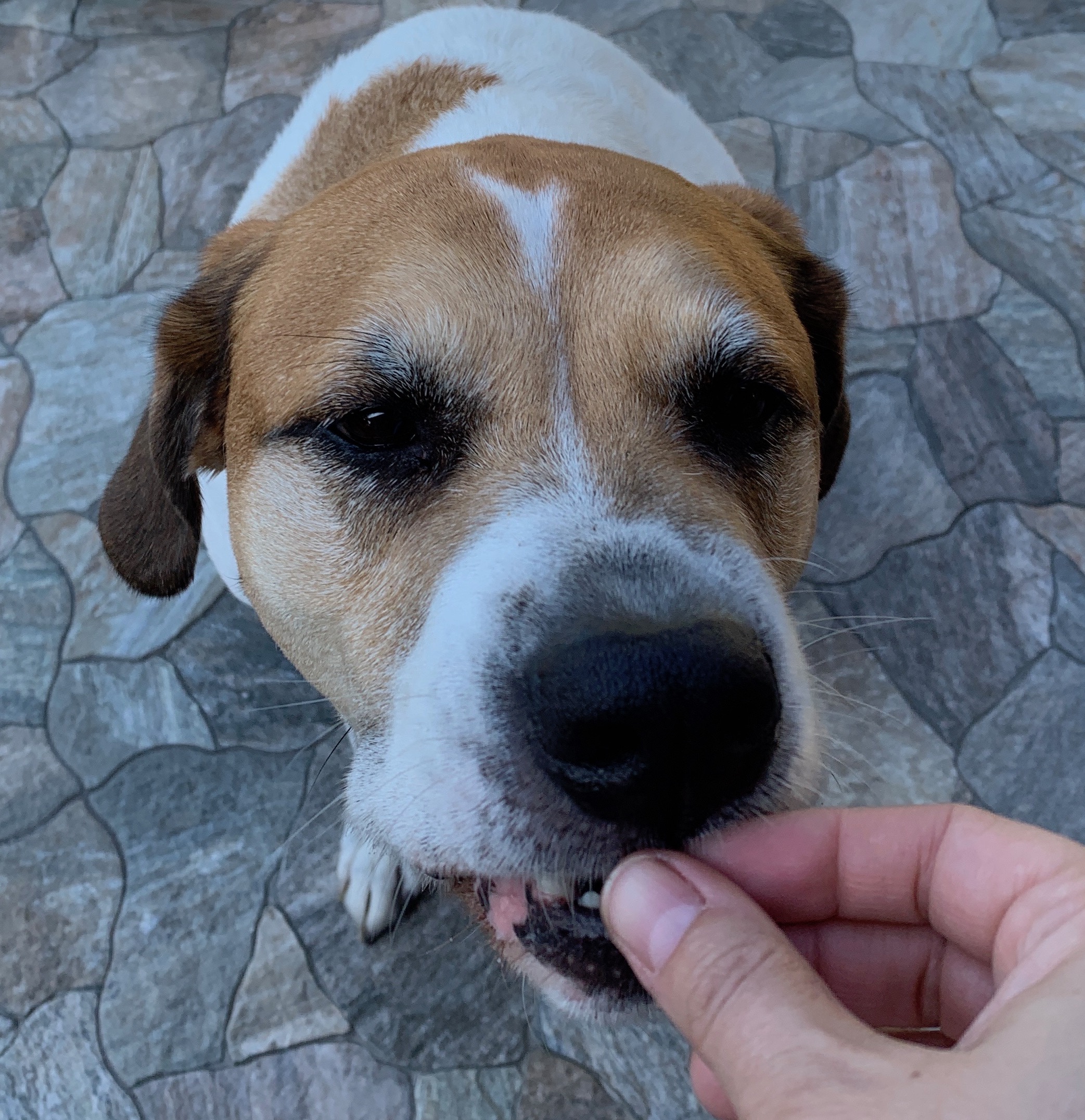
You can feed for a healthy canine gut biome.
What is the Canine Gut Biome?
The Canine Gut Biome is the naturally occurring community of microorganisms that live in your dog’s intestines — such as bacteria and fungi.
Why do we care about the Canine Gut Biome?
This community needs to be healthy for your dog to have healthy
- Digestion, obviously!
- Skin
- Immune system
- Moods
- Sleep
Where Does the Canine Gut Biome Come From?
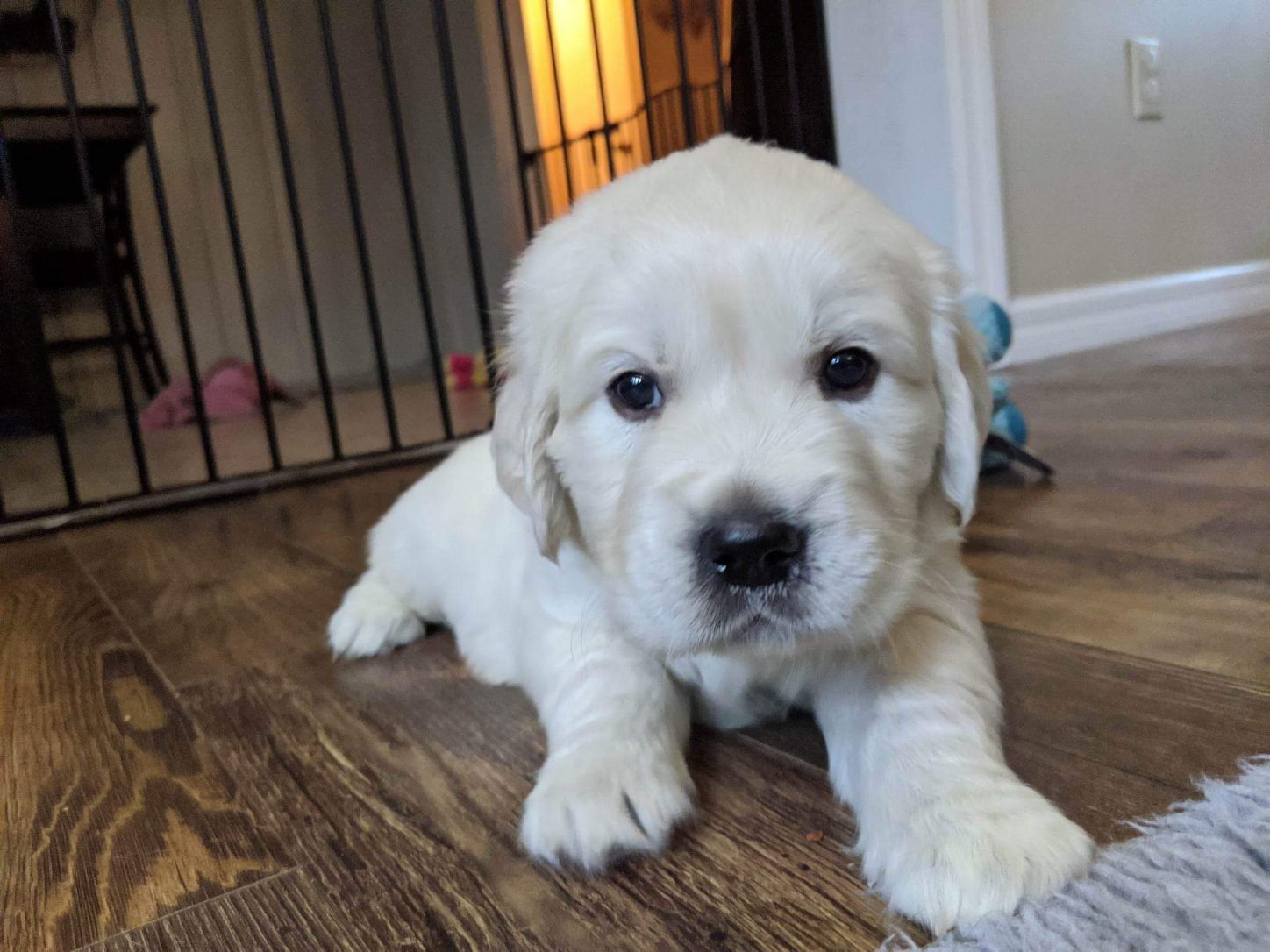
This little squish eats fresh food.
The original biome comes from your dog’s mother. During the birth process, puppies are given healthy bacteria from a healthy mom. Nursing & eating healthy food keeps the Gut Biome diverse & optimal.
If your dog’s mom was not healthy, if your dog was stressed by a puppy mill, homelessness, or early puppyhood common illnesses like worms or kennel cough, the Gut Biome is unlikely to be healthy.
Courses of antibiotics are a common puppyhood stressor that can cause Gut Biome dysfunction for months or years. Antibiotics for puppy diarrhea treatment also cause an unbalanced bacterial Gut Biome community to emerge.
What happens if the Canine Gut Biome is not healthy?
A host of uncomfortable symptoms develops when the Gut Biome is unbalanced.
Sometimes the imbalance is so severe that a dog gets recurrent bouts of multi-drug resistant infections, worms, salmonella or even pathogenic e coli.
Most times, we see symptoms of imbalance such as allergies, diarrhea, vomiting, gas, restless sleeping, anxiety, recurrent skin and ear infections, paw licking and itchiness.
If these symptoms are not addressed or if they are treated repeatedly with no ultimate resolution, dogs may develop inflammatory bowel disease, autoimmune or endocrine disease or severe anxiety disorders, or even cancer.
What can we do for a healthy Gut Biome?
This husky-mixed breed puppy is super cute!
Test and adjust! Technology now exists where we can use a fresh fecal sample from your dog to test what your dog’s Biome community looks like. We also know what a healthy Biome looks like for dogs fed raw diets or prepared diets. (hint: it is a little different!) We compare your dog’s Gut Biome to a healthy standard. Based on the results, we design a treatment strategy.
Are Gut Biome treatments complicated?
They are not complicated. Depending on the Gut Biome community that your dog is hosting, we want to welcome the healthy members and disinvite the unhealthy members.
The treatment programs generally consist of testing, starting fecal matter transplantation (FMT) enteric coated oral capsules, starting healthy fiber food for the gut and a detox protocol of 1-2 supplements for support and cleaning. After 30 days of treatment, we retest the Gut Biome to assess our progress toward a healthy Gut Biome.
What was missing before Gut Biome Testing?
Individualization and customization was missing. We can now test, target, treat and test again until we have a healthier Gut Biome and a healthier, happier dog.
Gut Biome testing is available to Dr Truli’s registered clients. If you live in the Tampa Bay Florida area or can travel here, inquire today about testing or to become a holistic lifestyle client. Email DrTruli@VetVMD.com
If you live elsewhere and cannot travel to see Dr Truli, ask your veterinarian about Biome testing.
Dr Truli’s gift to you: pdf to download: 2023 Canine Gut Biome Newsletter
Essential Veterinary Services
Thank goodness we live in a time and a country in which pets are family, too! Veterinary services are essential to the health and well-being of our whole family.
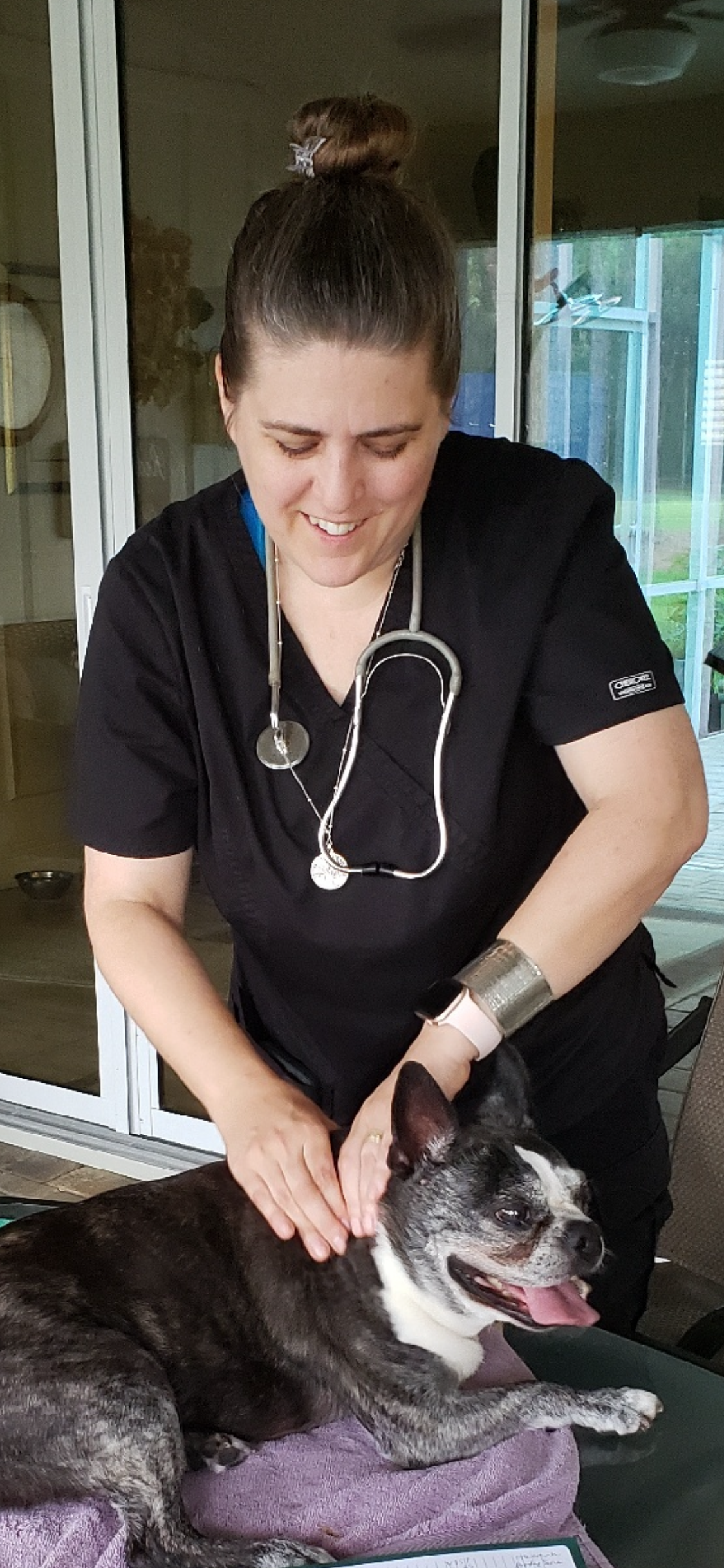
Doc Truli perform Tui-na massage on Senior Boston Terrier on the lanai. This Bostie gets so stiff she can’t walk without her therapies.
Did you know veterinarians monitor and report emerging and communicable diseases in partnership with State and Federal health agencies?
Did you know veterinarians inspect your food supply from start to finish to ensure safe and wholesome meat, eggs and milk?
Did you know veterinarians conduct invaluable basic science research to benefit not only animals, but people as well? These are some of the reasons veterinary medicine is designated an essential service during the pandemic.
House Call Veterinary Services
Dr Truli is stricter than the AVMA House Call Guidelines
Dr Truli has always practiced house calls in a manner to avoid cross-contamination between households. Whenever possible, Dr Truli uses single-use sterile supplies. All equipment is decontaminated and washed regularly. You may request shoe covers be worn in your home. Dr Truli even wears completely washable shoes to ensure a fresh start each morning!
Dr Truli practices telemedicine and drop-shipped refills or delivered them to your door as a routine practice for her registered clients.
A Note About Accessibility and Flow- AKA “How It Works”
Dr Truli is remarkably accessible. However, if you are a first-time caller, you may feel out-of-sorts because a solo-practice house call holistic veterinarian cannot, does not, and should not operate like an animal hospital. There are no receptionists, phone trees or assistants for this veterinary practice!
This means, if you are a new client or if you are calling from a phone number you have not shared with Dr Truli, the doctor will call you back as soon as possible.
Once you are a registered client, your name comes up on the database when you call and Dr Truli will respond as soon as possible. Most clients text or email.
Many people ask “what hours are you available?” or “how far ahead are you booking out?” The truth is–the holistic practice has an ebb and flow. If you are in need and contact Dr Truli. If she is not available, leave a message. You would not believe how many people text or email at 3am! Dr Truli usually gets back to them in the morning.
A Story About 4am
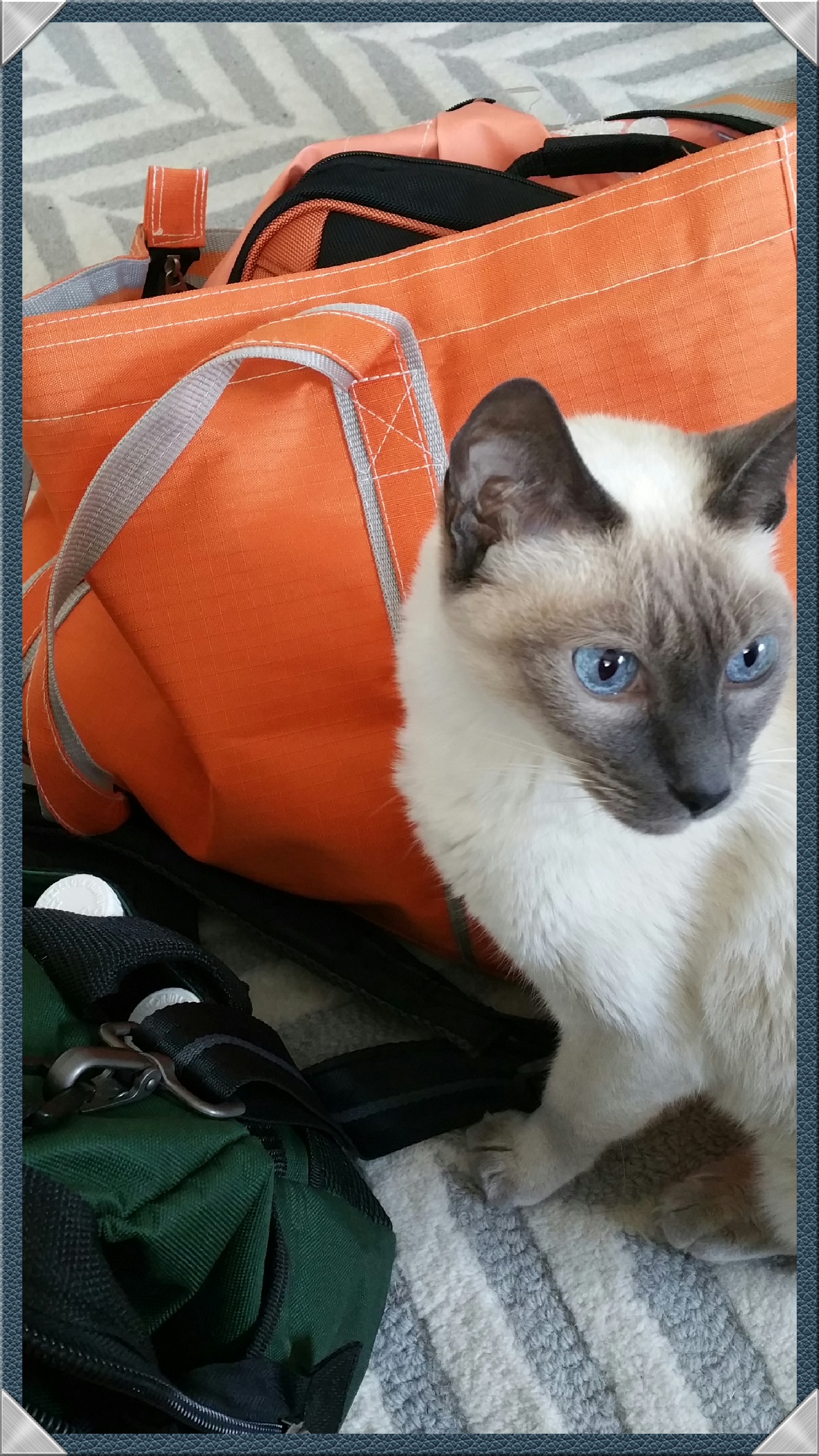
Siamese purrfection
Doc was fast asleep when the dogs and the husband woke her with a message. “There’s a new client request in the email.”
“Ok, I’ll call first thing in the morning,” says Doc.
“You should email them back now,” says husband.
“They’re going to think it’s creepy,” Doc said.
“No, they’ll think it’s awesome,” says husband.
Doc emails the prospective client. Her cat was diagnosed with kidney failure the day before and she was researching and found VetVMD.com. We set an appointment for 8:30 am that same day.
After Doc and the new client met and took care of the kitty cat and made a plan for him, the client said, “I was so excited you emailed me back at 4:15 in the morning that I woke my husband to tell him.”
He said,” That’s creepy.”
The client said, “No, it’s awesome!!!”
So there you go. That’s how we started a long and happy working partnership focused on the happiness of a gorgeous little cat.
Veterinary House Call Services
For an appointment, please email DrTruli@VetVMD.com with your name, address, and an idea of the concerns you have. Or text (813) 714-7863. Or call (877) 378-7854 and be certain to leave a message!
More from the Desk of Dr Truli regarding Covid-19
Tampa Bay Veterinary Help During Hurricane Ian 2022
Dr Truli is not evacuating and is available to help during Hurricane Ian 2022. We have 4×4 capability and phone, email and texting support for you.
For registered clients, Dr Truli assists with prescriptions, advice and first aid help.
If you are not yet a registered client, common sense and law guides Dr Truli’s advice to “first do no harm” with your pet. We will help in any way we can.
To all our clients: do not hesitate to reach out if you have questions or need help. Jesse and Dr Truli are prepared and we are in a safe situation and have the care and attention to help you.
Everyone stay safe and we are here for you.
-Dr Truli and Jesse
Finding the Right Way for You to Feed Your Dog Can be Confusing
What is the Best Food for My Dog?
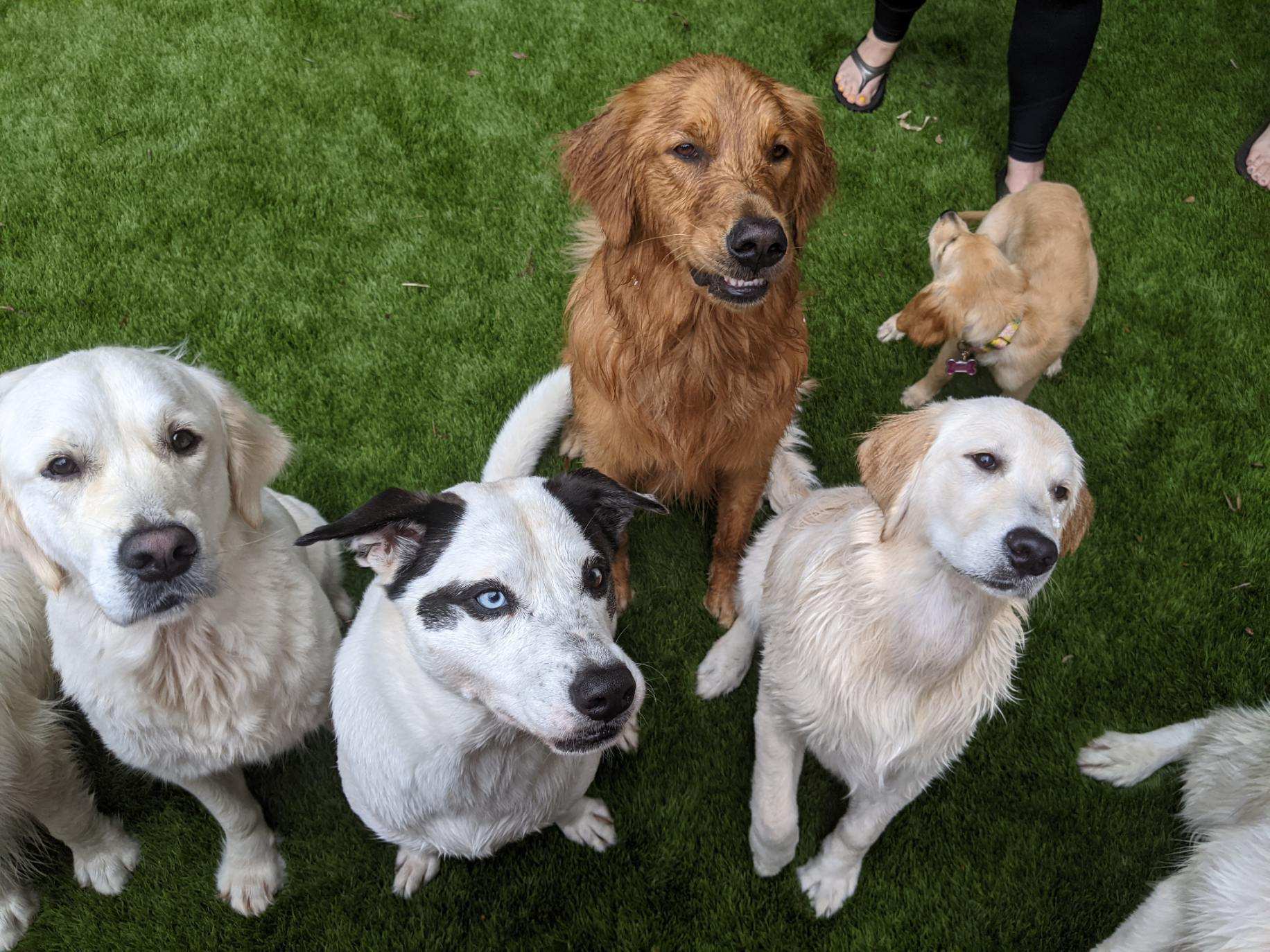
When are you going to feed us the doggy birthday cake? (oats, peanut butter and banana slow baked treats)
Here’s the dilemma: you want to feed whats best for your dog’s health. If you can, you would like your dog’s food to be organic, local, non-GMO and simple ingredients you can understand. As a bonus, you would also like it to be environmentally friendly, low carbon footprint, sustainably harvested and ideally, kind to animals. Anything less is not the “best!” Welcome to the real world of compromise. The real question is: what compromises are still healthy for you, your dog, and the Earth?
Food is Critically Important to Your Dog’s Health
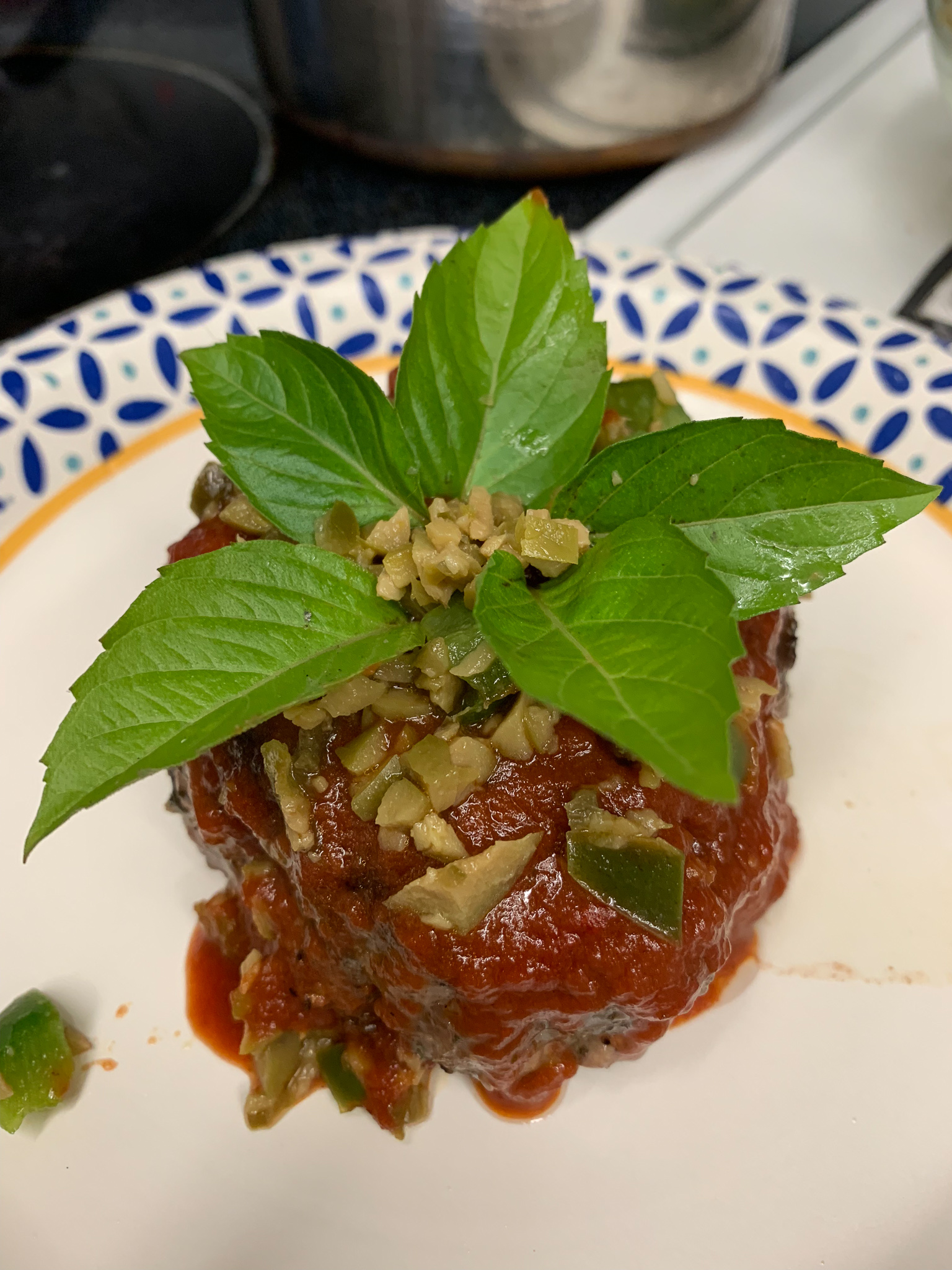
Basil Lamb and Beef Meatball for Dog Dinner
Let’s face it. You can purchase all the fancy supplements online at 3am and they will not be as critical to your dog’s health as the food foundation you put in the dog dish.
Feeding your dog the best food you can have money, time and availability for may require lifestyle changes.
Ask yourself:
What is my financial budget for food for my dog? If your budget is not unlimited, you may have other resources for healthier food at a budget price.
Clever More Affordable Sources of Food:
Food from a food bank that is discarded?
Friends and family who fish?
Discount bulk store & a freezer?
A hunter in the family?
Bulk buying with friends and family to reduce expenses?
Meat locker rentals that go up for auction?
Make a Decision & Be Happy With Your Food Decision
We will all deal with a degree of imperfection in our food choices. Dr Truli suggests you chose the best quality food options you know about. Go with it!
Measure Your Results
“What do you mean, measure my results?”
- You can measure your dog’s weight or waist measurement monthly.
- You can observe your dog’s fur shininess.
- reduced shedding
- puppy energy
- bright eyes
- playful mood
- Write it down!
- Keep a doggy diary.
- Focus on health, not sickness.
Your Veterinarian Can Help
Your veterinarian can measure:
- red blood cell levels
- white blood cell levels
- liver and kidney-associated enzymes
- electrolytes
- digestive enzymes
- gut biome components
- parasite load
- Vitamin D3, B12, folate
Admittedly, modern science lacks clinical tests for most of the nutrients in your dog’s body. But even if we could measure precisely, the gut and metabolism changes absorption rate and metabolic rate even within the same dog’s body throughout life. We d the best we know how to do. And that’s okay!
Focus on Health
Focus on health means you pay attention to and enjoy the good health your decision has brought.
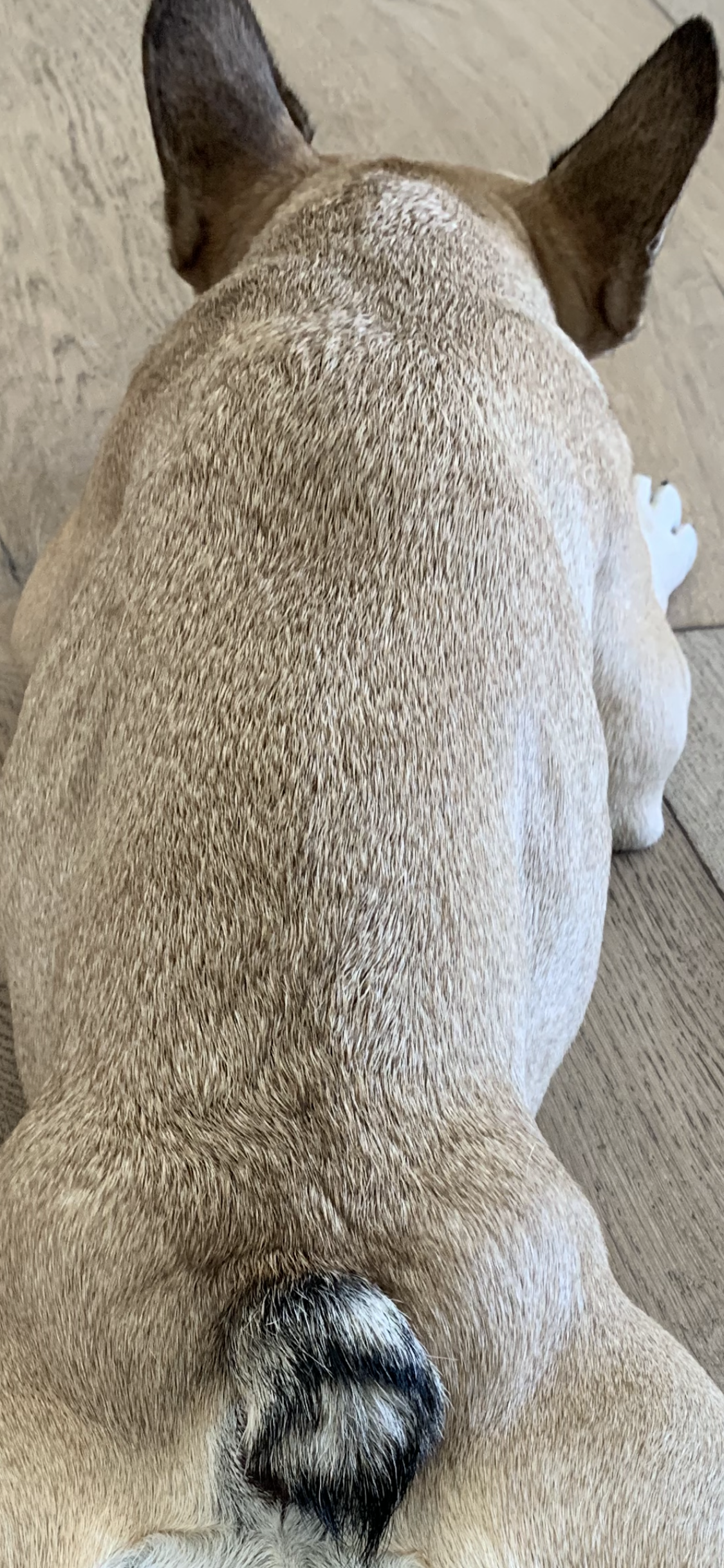
Frenchie boy tells Doc Truli what he thinks of a medical exam
For example, you adopted a rescue French Bulldog who was eating grocery-store kibble and table scraps and you chose a better quality food or started cooking balanced recipes for your Frenchie.
You will enjoy the changes the good food brings:
- as their fur grows in shiny
- eyes become less goopy
- allergies diminish
- The veterinarian’s medicines may work better
- your dog will feel better for longer in between allergy flare-ups.
If you focus on long-term gains and progress and celebrate the little improvements, you and your dog will be happier. Happy and healthy go hand in paw!
Here is a sampling of the topics Dr Truli can explain in a consultation. At the end of this article, Dr Truli has provided a handy downloadable Newsletter you are welcome to study and share with your veterinarian for further personal advice.
Dr Truli’s Break-down of Dog Food Choices
Key:
Effort/Human Learning Curve
🍎Easy, basically done for you
🍎🍎Some assembly required
🍎🍎🍎Planning & Effort, possible lifestyle changes for the humans required
Environmental Friendliness/Low carbon footprint
🍀Local, organic, sustainable
🍀🍀 Fresh, perhaps not local, perhaps some high-water industries involved in process
🍀🍀🍀 Long distances, foreign ingredients, non-organic
Rx Balanced recipes $$, 🍎🍎🍎, 🍀
The AAFCO 34 essential nutrients computer balanced for your pet’s weight, lifestyle, health conditions and helpful food energetics. Pros: you control ingredients, best for organic, gluten free, highly personalized. Con: humans “drift” from the recipe & may cause severe nutritional imbalances
Flexible Meal Designs $-$$, 🍎🍎, 🍀
The key ingredients balanced (Calcium, oils) & ⅓, ⅓, ⅓ meat-carb-veg variety components. Pros: you control ingredients, good for smart shopping, seasonal shopping, variety, adaptable. Con: not precisely balanced
Published Recipes from a Dr Truli-approved Book $-$$, 🍎🍎, 🍀=🍀🍀🍀
Pros: “ball-park” balanced. Reassuring Con: not precisely balanced
Personalized, balanced recipes cooked by Chef for Dogs or Service $$$, 🍎, 🍀
Balanced, completely individualized, prescription services available, easy.
Prepared Dog Foods, Con: not personalized
AAFCO Balanced Fresh Frozen Raw or Cooked, $$-$$$, 🍎, 🍀🍀
The AAFCO 34 essential nutrients computer balanced for a pet’s weight, lifestyle +/-health conditions.
AAFCO Balanced Slow-Cooked Clusters, $$, 🍎, 🍀🍀
AAFCO as formulated for dogs. Pros: familiar, easy, shelf stable for emergencies, power outages Cons: ingredient selection predetermined by business model of the manufacturer, usually not organic
AAFCO Balanced Dehydrated or Freeze-dried, $$, 🍎, 🍀🍀
AAFCO as formulated for dogs. Pros: easy, shelf stable for emergencies Cons: ingredient selection predetermined, usually not organic, energetically deficient, no species appropriate “crunch”
AAFCO Balanced Canned, $-$$, 🍎, 🍀🍀-🍀🍀🍀
AAFCO as formulated for dogs. Pros: easy, shelf stable Cons: usually not organic, often questionable ingredients, no species appropriate “crunch”
AAFCO Balanced Kibble, $-$$$, 🍎, 🍀🍀🍀
AAFCO as formulated for dogs. Pros: easy, shelf stable Cons: usually not organic, inflammatory
not-AAFCO foods, $-$$$
Unless you are sourcing and cooking these items, steer clear of treats and foods that are made by well-intentioned amateurs. If they have a clean kitchen, perhaps useful as occasional treats
Vet Rx Canned & Kibble, $-$$$, 🍎, 🍀🍀🍀
“Prescription” foods Pros: easy, targeted purposes Cons: questionable ingredients, inflammatory
To check Dr Truli’s availability for in-Home Consultations in the Tampa Bay, Florida region. email yur name, address & pet’s name to:
Dr Sandra Truli Springer, VMD, MS-TCVM, CVA, CVFT, CVTP, CVCH, CTCVMP, CTPEP, CVMMP
Email DrTruli@VetVMD.com
©2022 Boston Brain Bank, LLC, used with permission
In Home Veterinary Medical Manipulation now Available for Tampa Bay Pets
June 26, 2022
Dr Sandra Truli Springer, aka Dr Truli, is proud to announce Chi University certification in Veterinary Medical Manipulation. Veterinary medical manipulation is the practice of assessing the subtle motion of joints and freeing them up to move in a healthy, pain-free way with the hands. The therapy improves whole body health through nervous system and brain optimization among a host of other desirable effects
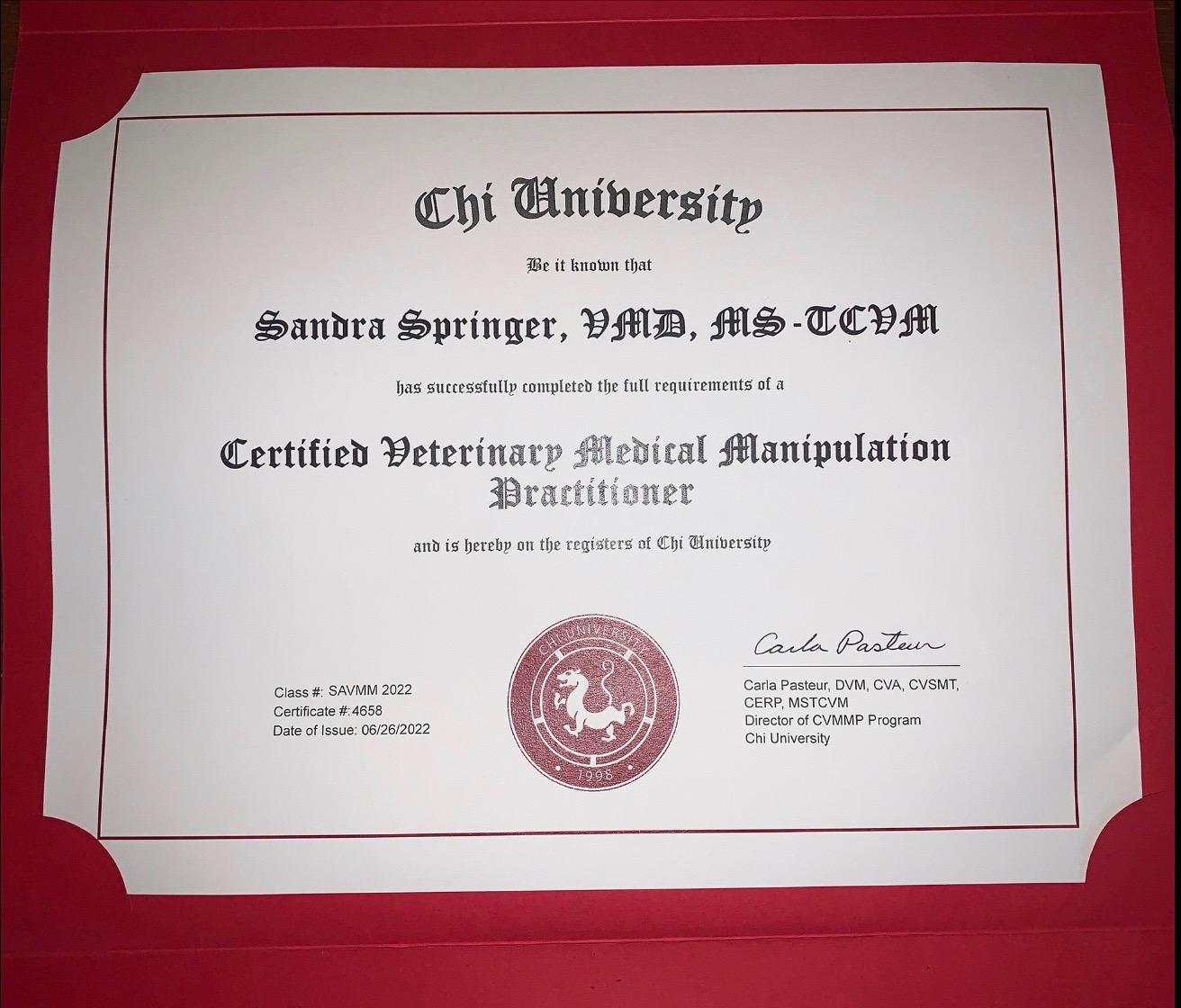
Veterinary Medical Manipulation for Tampa Bay Pet House Calls
Veterinary medical manipulation has enormous benefits for all pets
reduce or eliminate pain
increase range of motion
calm anxiety, reset nervous system to a calmer level
improve immune function
fight cognitive decline and aging
enhance performance for sports, working or play
help puppies recover from birthing injuries
help abused pets let go of the past and start deep healing
and much more!
How Do You Know if Your Cat or Dog Could Benefit From Veterinary Medical Manipulation?
Here are a few signs that show your pet may benefit from Veterinary Medical Manipulation:
pain
change in how they stand or move (leg forward, leg out to side, hind leg back)
limping
not looking up at you like normal
not cocking their head to the side to listen like normal
behavior change
performance problems, pooping out of weaves, missing jumps, loss of tracking sense, injuries in dock diving
cognitive decline, sundowner’s, aging
rough puppy play
anyone can benefit!
Who Can Book an Appointment to Have Dr Truli See Their Pet?
First appointment preference is for already registered clients. We can discuss adding veterinary medical manipulation to your pets’ exams and treatment protocols.
New clients are always welcome. Dr Truli loves to meet new people and their pets. Scheduling opportunities are highly dependent on current client commitments. Please let Dr Truli know your name, address and contact info when you inquire about becoming a client.
Veterinarians are always welcome to text, email or call with questions about appropriateness of veterinary medical manipulation for a pet. Clients will often ask their vet “will chiropractic help my pet?” Before certification training, Dr Truli herself was not sure! Your veterinarian is welcome to call and inquire. (Email DrTruli@VetVMD.com). Call or Text: (813) 714-7863.
Who Performs Veterinary Medical Manipulation (VMM)?
Veterinarians perform medical manipulations
In Florida, veterinary medical manipulation is performed by licensed veterinarians. Dr Truli’s 2022 small animal certification class was 32 veterinarians coming from the whole of the US. It is rare and special to find a veterinarian who can provide veterinary medical manipulation for your pets.
In other US states , it may be called veterinary spinal manipulation. Lay people call it chiropractic. However, chiropractic means that the patient is a human and the doctor is a graduate of College of Chiropractic. Chiropractors may perform manipulations on cats or dogs if they have received special training and certification. Each US state has their own laws regarding the practice of veterinary medicine and chiropractics.
Dr Truli is a veterinarian and a certified veterinary medical manipulation practitioner
Dr Truli is a Florida licensed veterinarian. She can provide a full examination and diagnosis for your pet. She can then offer treatment options ranging from prescription medications, to herbal treatments, acupuncture, physical therapy, home treatments & exercises, therapeutic laser, and now veterinary medical manipulations.
Dr Truli also offers veterinary medical manipulation when you want to keep your current veterinarian
Dr Truli also offers consults and veterinary medical manipulation for your pet once your veterinarian has already diagnosed your pet. In these cases, Dr Truli will communicate with your trusted family veterinarian and provide you and your vet timely updates so we can all work together for your pet’s best outcome!
Is Veterinary Medical Manipulation Dangerous?
Veterinary Medical Manipulation must be performed by an experienced, certified practitioner. In untrained hands, manipulations can cause more pain. There are also contraindications to this type of treatment such as a fresh bone fracture.
Briefly, how does Veterinary Medical Manipulation Work?
The techniques require precise knowledge of the anatomy of each vertebra in your cat or dog’s spine, every bone muscle, every tendon and ligament attachment. The vertebrae each have unique angles and movements. The technique works with the body to trigger immediate relaxation and pain relief. A cascade of nervous system healing, muscle healing, tendon and ligament improvements, and fascia optimization starts wth the first treatment and becomes more widespread and deeper with subsequent treatments.
How many Veterinary Medical Manipulation Treatments will my Pet Need?
It depends! Dr Truli adjusted a French Bulldog puppy with restriction of his ability to look up at his people. He was rolling his eyes up without turning his head up. Freeing up the tightness took one visit and resulted in permanent improvement. Imagine how much hidden discomfort he would have experienced without that simple, painless one-time help!
A dog with long-term dysfunction, like an older dog with a healed non-surgical cruciate tear might enjoy monthly adjustments to gradually and persistently improve pain relief, increase circulation to the tight areas, increase mobility, decrease hypersensitivity to pain and much more.
It takes minutes to improve nerve function. Weeks to heal muscles. Months to heal tendons and ligaments. And it takes several months to rearrange and reorganize fascia connective tissue.
Veterinary medical manipulations trigger gentle, deep changes that allow your pet to feel better, younger, and perhaps even play like they have not in years.
Which is Better: Acupuncture or Veterinary Medical Manipulation?
Acupuncture and veterinary medical manipulations synergize!
Dr Truli will often perform acupuncture to relax spasming muscles before a veterinary medical manipulation session.
Or, if you or your pet cannot tolerate the acupuncture needles, therapeutic acupoint laser can achieve the relaxation without the needles. (laser takes longer than needles because it is 1 at a time as opposed to simultaneous whole body treatment.)
Once Dr Truli has examined your pet and consulted with you, we can decide which treatments fit your time budget, money budget, expectations for speed of recovery, or just flat-out what you want!
Get Started with Veterinary Medical Manipulation Today!
Text or Call 813-714-7863. (Texting is quickest.) Or email DrTruli@VetVMD.com
Acupuncture for Dogs in Your Home
Yes! Dr Truli provides acupuncture treatments for your non-human family members in the comfort of your home.
Acupuncture for Dogs has Many Benefits
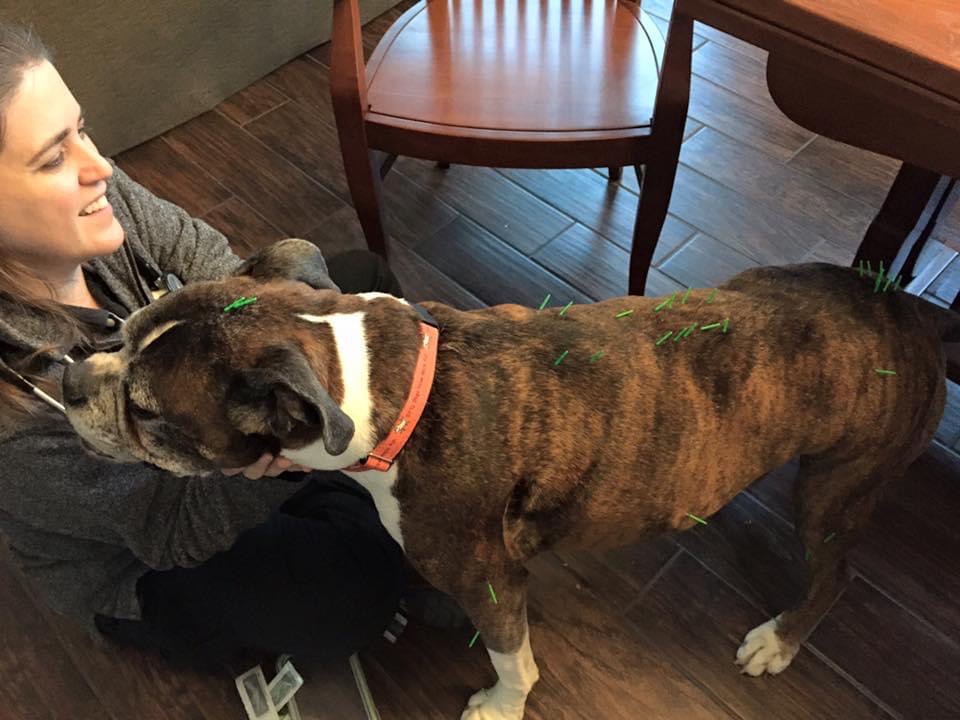
Doc Truli comes to your home to give acupuncture treatments to your pets.
A small sample of proven Acupuncture benefits for dogs:
- Pain relief
- Return of function
- Drug-free
- Multiple body systems helped in one treatment for one price
- Improve immune function
- Truli holistic
Seeing is Believing: How Do I Know the Acupuncture Helped?
- Moving better
- Hunched or roached back smooths out
- Better quality sleep
- Better appetite
- Less or no anxiety and pain meds needed
How Often Should my Dog Have Acupuncture?
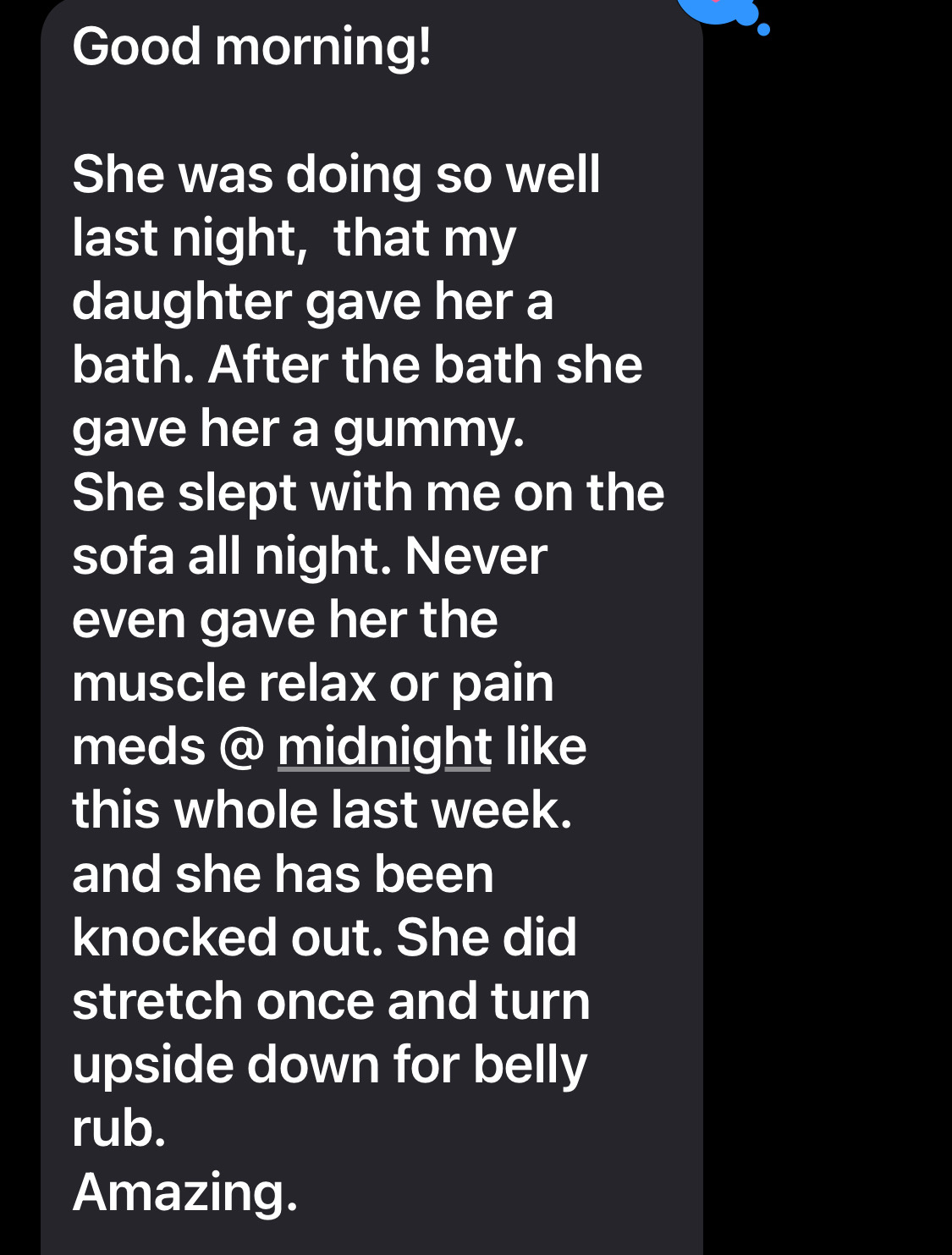
Old doggy sleeps well after her first Doc Truli house call acupuncture.
Acupuncture schedules vary from dog to dog.
Generally, young dogs with a limp or a fever need one treatment to fix the problem.
Many older dogs feel their best with monthly treatments.
Paralysis is likely to be improved or resolved if a dog has been paralyzed for less than 18 months and a family can commit to 3-8 treatments.
Cats often like a treatment every once in a while. Cats seem to like to heal themselves once they experience the feeling of healing!
When is Acupuncture for my Dog or Cat a Bad Idea?
EMERGENCY: An emergency usually requires a pet emergency hospital, not a house call acupuncture visit.
Most everything else can be treated with acupuncture or benefit from acupuncture to help the body heal quicker or more efficiently.
Dr Truli has been providing acupuncture services in Tampa Bay homes since 2015. She is a Certified Veterinary Acupuncturist certified by Chi University. Email DrTruli@VetVMD.com for an appointment today.
Acupuncture can help dogs with dry eye syndrome
You can read more about the 4 branches of TCVM at Chi University.
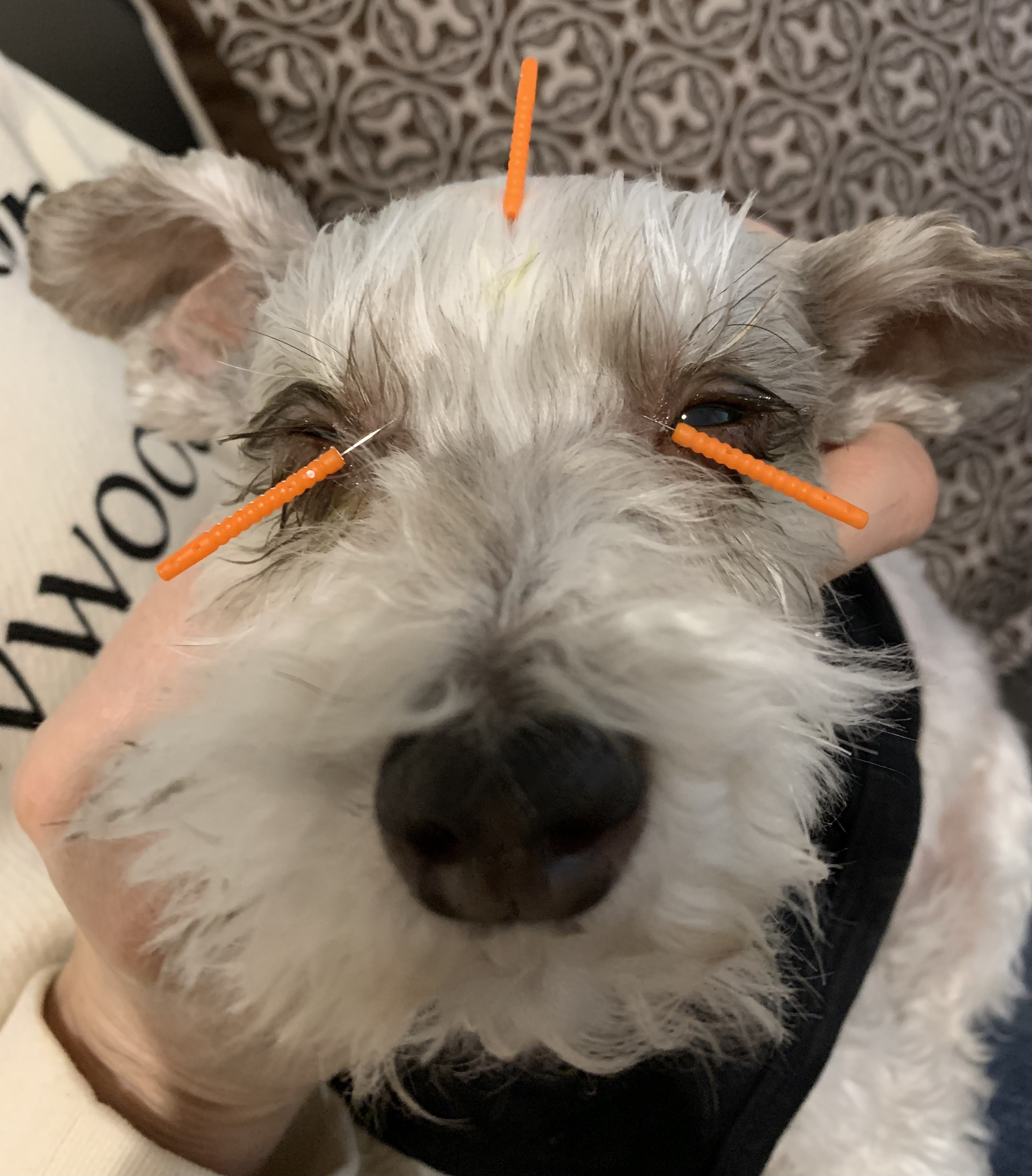
Mini Schnauzer gets acupuncture to brighten the eyes
What is dry eye in dogs?
Dry eye is officially called keratoconjunctivitis sicca (pronounced carrot – o – con – junk – ti – viy – tiss – seekaa) or “KCS.” Basically, the tear glands do not produce a proper tear film on the corneal surface of the eye or eyes and they are not moisturized properly throughout the day. The eyes feel like they have sand in them and hurt. Also, eyes need a nice tear film to wash away irritants like dirt. When the tear film is not working, the surface of the eyes can get injured and develop sores like corneal ulcers.
In biomedical practice, it is thought that the tear glands are attacked by the body’s own immune system. KCS or dry eye is thought to be an autoimmune condition (most of the time.)
How is dry eye in dogs usually treated?
The medication is usually an immunosuppressant. (For example, Optimmune is a brand that is FDA-approved for use for dry eye in dogs.) Once the immune over-reaction calms down, the tear glands start producing better tear film.
Integrative Veterinary Care can help dry eye syndrome
What is dry eye in integrative medicine?
Dry eye is inflammation in the eyes causing the tear film to dry out, or not be made properly. The inflammation source is Liver dysfunction. The eyes are the opening to the Liver Channel. Herbal medicines are combined to nourish and soothe the Liver and to nourish and calm the eyes. They may be oral herbal formulas or topical.
There is a saying: “One disease, many patterns. Also many disease, one pattern.”
Dry eye is mostly an example of one disease with many possible underlying patterns. You likely will need an experienced herbalist to help diagnose what pattern your pet has. Then the herbalist can recommend herbs that treat that particular pattern that led to the problem for your pet. This is what is meant by “individual medicine.”
In the United States, medical care for pets is provided by doctors (called veterinarians) licensed by the individual State in which the doctor practices. Remote consults without meeting the practitioner in person can lead to misdiagnosis and unsatisfactory results. Remote consults may be illegal in some jurisdictions for this reason.
You can research at Chi University for a qualified herbalist-veterinarian. Another resource is the Veterinary Botanical Medical Association. These organizations each have international reach and active membership around the world.
Dr Truli is a licensed veterinarian certified in herbalism, nutrition, massage, acupuncture and palliative care.
What do you mean, many patterns can cause dry eye?
Blood Deficiency can lead to dry eye
For example, a pattern called Blood Deficiency can lead to dry eye. You can think of it as lack of sparkle in the Blood leading to malnourishment of the eyes. Vitamin D is one such “sparkle” component of the blood. Proper marine source omega 3 fish oils are others. Dr Truli offers routine Vitamin D and OmegaQuant red cell membrane testing.
Liver problems can lead to dry eye
Another pattern that leads to the same biomedical diagnosis called dry eye is Liver Heat Rising. In this pattern, the liver enzymes might be elevated and the gall bladder clogged. The liver may be congested and function is sluggish. This slow function can lead to build up of metabolic byproducts that trigger inflammation. This type of patient would possibly be made sicker by Blood tonics that would help the first patient!
Cold windy weather or a crate under the AC can lead to dry eye
There is even a type of dry eye caused by Wind Cold. This is the type that occurs when a sudden windy change in the weather (or indoor AC) brings cold air into the body. The whites of the eyes may become red and corneal ulcers could form. The neck will be super stiff. Humans would complain of a headache. Obviously, this is not a deficiency or an excess Heat condition. It is really quite the opposite and the herbal prescription would be opposite of the Liver Heat Rising type of patient.
We can help dry eye with herbal medicine, food therapy and acupuncture
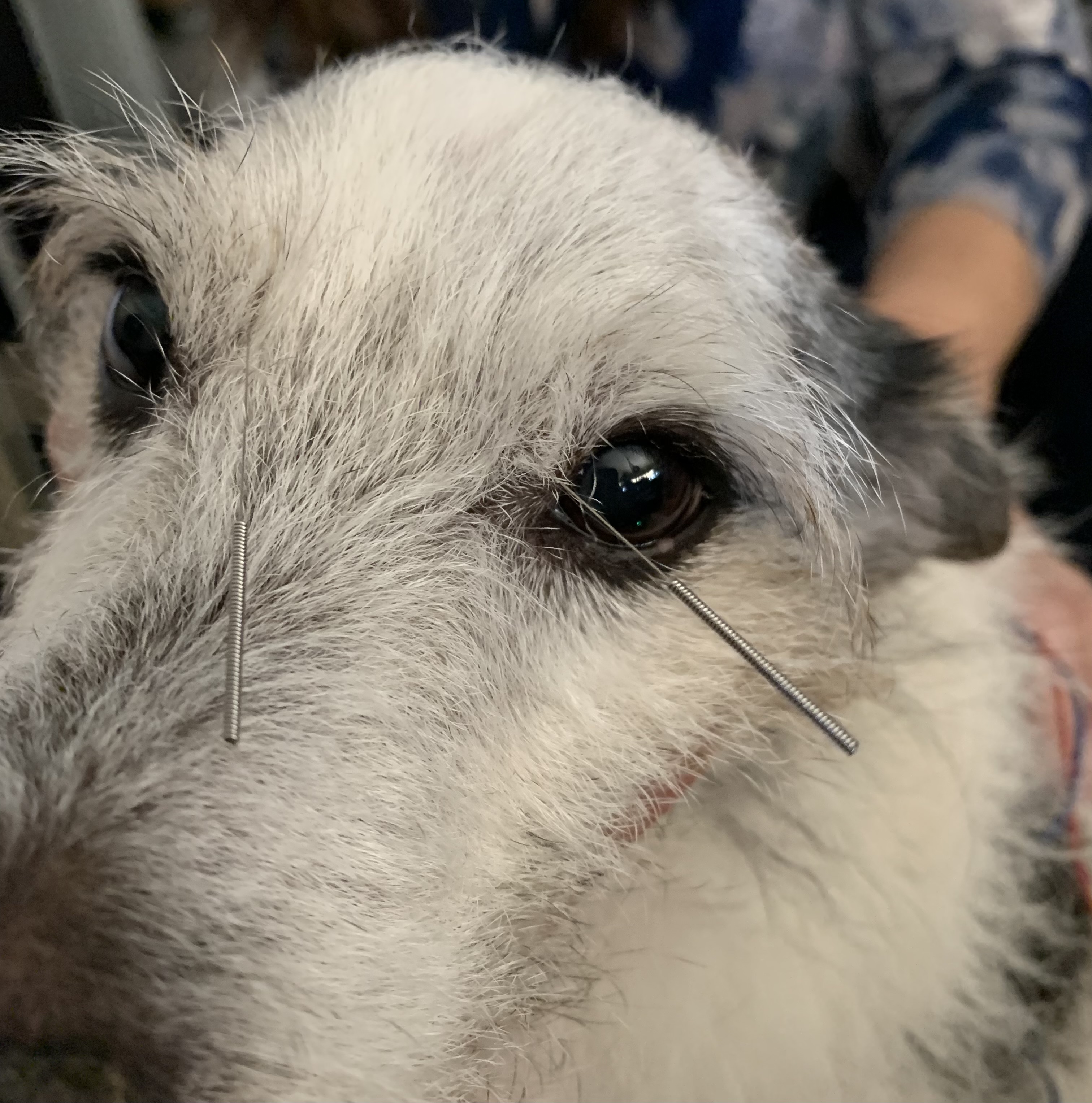
Shorty Jack Russell cutie gets acupuncture to brighten the eyes. Can you spot the (2) silver needles?
Herbal formulas to target the pattern of dry eye
A qualified herbalist can prescribe herbal formulas that are likely to help the dry eye. All major medical herbal traditions can handle this task. They may use different types of herbals, but they should all be prescribed based on your individual needs. There should not be – nor is there – one successful herbal “for dry eye.” They are for dry eye in…each different type of patient.
Dr Truli is a certified herbalist for pets.
Food therapy can help dry eye
Certain foods may brighten or nourish the eyes. There are many. Some are also found in herbal remedies. They can be food or medicine. There are many. You can consult an herbalist, a local healer, or a talented elder to guide you about local and appropriate choices. Dr Truli is certified in food therapy.
Acupuncture can help dry eye
Acupuncture has been researched in many countries for the treatment of dry eye. Cookbook acupuncture- where needles are placed local to the eyes or at points to help the eyes – can be effective. Dr Truli prefers acupuncture based on each individual patient’s pattern diagnosis and consideration of all other challenges and issues facing the patient so that the acupuncture treatment may synergize to help the whole body.
Dr Truli is Certified in Veterinary Acupuncture (CVA).
Integrative care may be combined with biomedical care
A wonderful feature of Integrative care is you can continue biomedical treatments that are working, affordable, helpful, fun and add to or alter your protocols with herbals, foods, or acupuncture where those treatments can bring even more quality to you and your pet’s life.
If you live in the Tampa Bay area or can travel here, Dr Truli may have availability to bring all of this care to your home or hotel. Email, call or text with your name, contact info and address and a brief statement of urgency/goal/or what issue your pet is facing & Dr Truli will respond (usually well within 24 hours.)
Dr Truli
Email DrTruli@VetVMD.com
Call (877) 378-7854
Text (813) 714-7863
Insufficient or Deficient Vitamin D3 Hinders 75% of Dogs in the United States
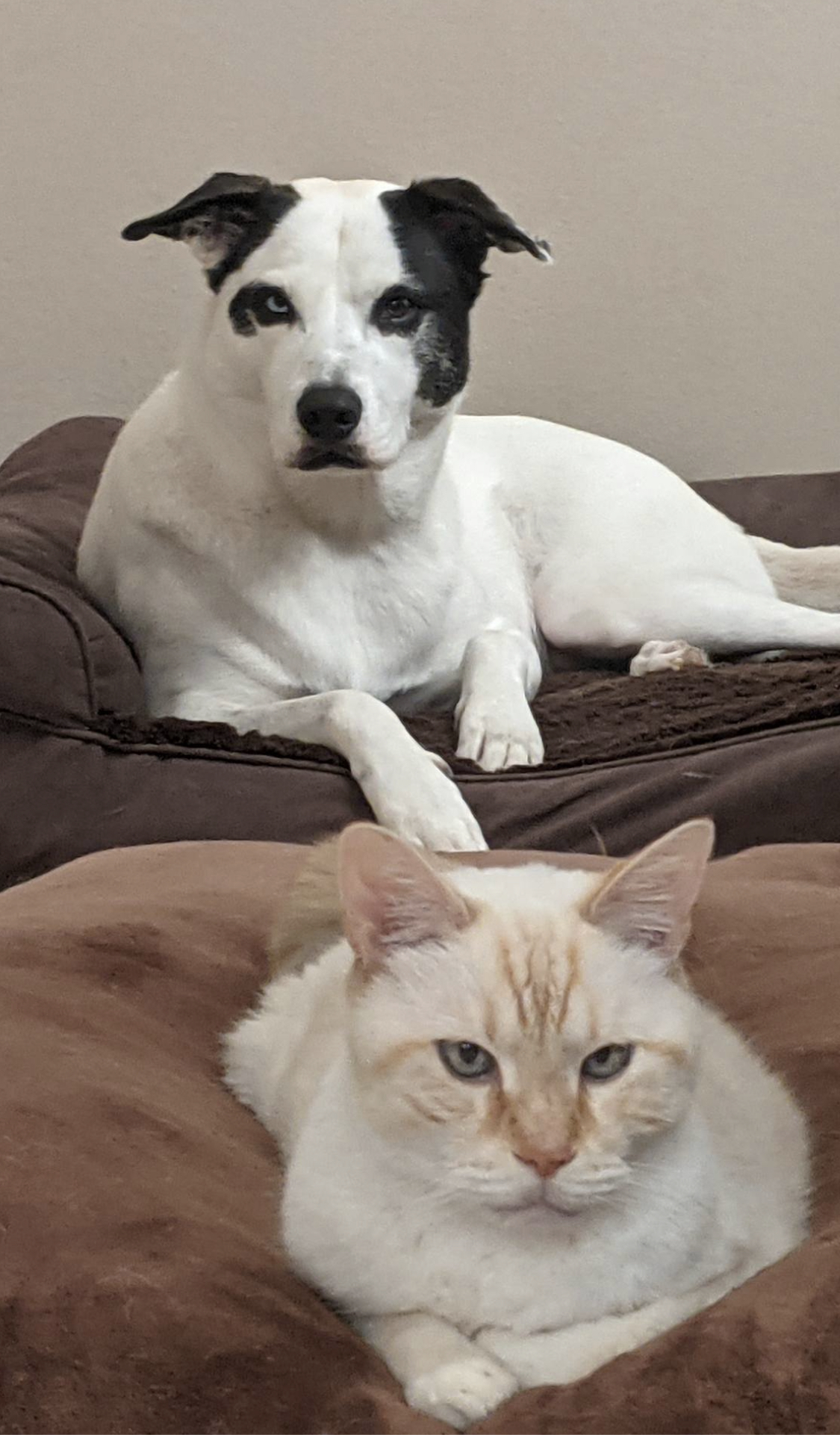
Dogs & cats need adequate vitamin D3 to be healthy
What is Vitamin D?
D3 is a fat-soluble vitamin that acts as a hormone in the body. Whole food sources include oily fish, eggs and liver. Humans can make D3 from the sun through skin exposure, our companion animal dogs and cats cannot. Cats and dogs can only obtain D3 from food sources.
How likely is my pet to have low Vitamin D?
Vitamin D3 is commonly added to pet foods as part of making the food complete and balanced. And yet, for reasons not yet understood (as of 2021), 75% of pet dogs in the US have insufficient or deficient D3.
What Happens if My Dog or Cat has Low Vitamin D3?
Broadly, insufficient Vitamin D3 causes the body to be in an inflammatory state, promoting allergic tendencies. Low D3 is also found in pets diagnosed with cancer. Conditions such as protein-losing enteropathy and protein-losing nephropathy have a worse outcome if D3 levels in your pet are not addressed. Pets taking steroids, non-steroidal anti-inflammatory drugs like certain painkillers, older pets, and neutered or spayed pets are known to have reduced Vitamin D3 levels compared to young, healthy pets.
“Why not just supplement my dog with Vitamin D3?” you may ask.
Excess D3 causes kidney failure and death. As a fat-soluble vitamin, excess D3 builds up in the body and causes Vitamin D poisoning and eventual death. A top reason for a pet food recall is excess Vitamin D. Home cooked diets are often critically low in Vitamin D, especially if they have not been designed with the help of a veterinary nutritionist.
What Can be Done About Vitamin D3 for my Dog or Cat?
You can fix the Vitamin D3 level with your veterinarian’s help. There are underlying diseases and medications that cause a pet to use more Vitamin D than expected and there are cofactors needed for proper absorption of the Vitamin D3. Your veterinarian can help guide you to a proper dose and monitoring of the dose to make sure your pet stays at an optimal level. Veterinarians and intrigued pet owners can read more about the science and details at VDIlab.com.
How Do I Get the Vitamin D3 Test for my Cat or Dog?
Dr Truli Routinely Performs Vitamin D3, Magnesium & Omega-3 Fatty Acid Level Testing
If you are accepted as a registered client with Dr Truli, you will be offered Vitamin D3 and Magnesium level testing routinely as needed depending on your pet’s underlying health status. In addition, Dr Truli recommends OmegaQuant Omega-3 Fatty Acid testing for Dogs. These tests can often help your pet even more than a routine CBC-Chem with actionable information to make positive changes in your pet’s management at home.
Reach Out Today
If you live in- or travel- to the Tampa Bay, Florida area, you are welcome to contact Dr Truli about becoming a registered client. You can text (813) 714-7863, call (877) 378-7854, or email DrTruli@VetVMD.com. Please include your name, address, your pet’s name and the urgency and nature of the need for services.
Dr Sandra Truli Springer , aka Dr Truli, is an ivy-league veterinarian licensed in Florida and several other US states to practice medicine for animals. In addition to university and 4 additional years of medical veterinary training, she has undergone 5 years of Master’s of Traditional Chinese Veterinary Medicine training and earned the Master’s Degree. She has been practicing veterinary medicine since May 17, 1999. Dr Truli has been practicing exclusively house call integrative medicine since 2015.